Your questions
FAQ: oxygen and tissue repair
What is tissue repair?
Tissue repair refers to all the mechanisms by which the body restores damaged tissue: skin, muscle, tendon, bone or mucosa. It takes place in several overlapping phases. First haemostasis, which stops bleeding. Then inflammation, during which immune cells clean the area and eliminate bacteria. Next comes proliferation: new blood vessels form, fibroblasts produce collagen and the wound closes. Finally, remodelling reorganises the fibres over several weeks or even months to make the tissue stronger. Each of these stages relies on a good blood supply, and therefore on a sufficient supply of oxygen [N6].
Why is oxygen essential for tissue repair?
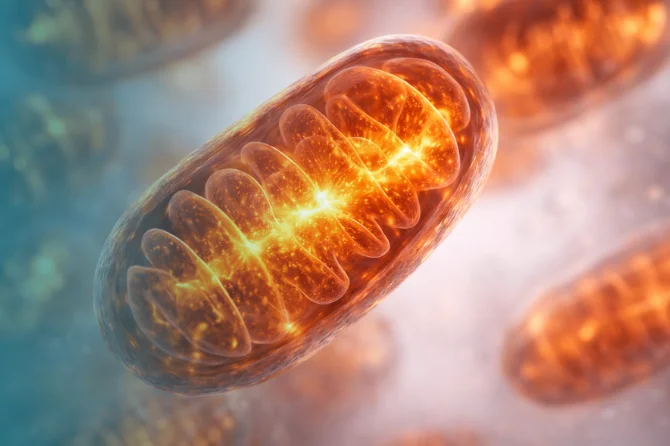
Oxygen is involved at almost every level of tissue repair. Mitochondria use it to produce ATP, the energy cells need to multiply and migrate to the injured area. Fibroblasts need it to make stable collagen: the enzymes that strengthen its fibres depend directly on oxygen. Neutrophils, for their part, convert it into reactive species to destroy micro-organisms. Finally, variations in oxygen levels act as a signal to trigger the formation of new blood vessels [N6]. When oxygen runs short, all these processes slow down.
How long does tissue repair take?
It all depends on the tissue involved, the extent of the injury and the person’s general condition. A small skin wound often heals in one to two weeks, whereas a muscle, tendon or bone injury takes several weeks, sometimes several months. The remodelling phase can also continue well beyond visible healing. Age, smoking, a sedentary lifestyle, certain chronic diseases such as diabetes or poor blood circulation can slow down tissue repair. If you have any doubts about how a wound or injury is progressing, the advice of a healthcare professional remains essential.
What factors can slow down tissue repair?
Several factors reduce the oxygen supply to tissues or disrupt the healing phases: smoking, which reduces blood oxygenation; circulatory disorders; poorly controlled diabetes; malnutrition, particularly a lack of protein, vitamin C or zinc; lack of sleep; chronic stress; or prolonged immobilisation. A local infection also uses a lot of oxygen and energy. Addressing these factors, with the help of your doctor, is often the first way to support tissue repair.
What happens in hypoxic tissue?
When tissue receives less oxygen than it uses, its cells activate an alert system: HIF (Hypoxia-Inducible Factors). This mechanism, whose discovery was awarded the 2019 Nobel Prize in Medicine, changes the activity of many genes to adapt the cell to the lack of oxygen and stimulate the formation of blood vessels [N1]. Brief, moderate hypoxia can therefore be a useful signal. However, prolonged hypoxia slows down tissue repair: collagen production decreases, local defences are less effective and the risk of infection increases [N6].
Can drinking oxygen-rich water support tissue repair?
OxyVita water contains 18 to 20 mg of dissolved oxygen per litre, about twice as much as ordinary water [N8] [N10]. The studies carried out on this water measured effects on natural defences, metabolism and blood pressure [N5] [N2] [N3]. They did not directly assess the speed of healing. OxyVita is therefore a simple, additive-free hydration complement that fits into an overall approach to tissue repair: appropriate care, diet, sleep and physical activity. It is in no way a substitute for medical treatment or follow-up.
How can OxyVita be included during a recovery period?
We recommend drinking 1 to 1.5 litres of OxyVita a day, spread throughout the day, as a 21-day programme followed by a one-week break. The water should be drunk at room temperature or chilled, never heated, and the bottle should be recapped after each serving to preserve the dissolved oxygen: the loss is only 6.5% after five days with the bottle open [N14]. This programme can accompany convalescence, rehabilitation or a period of fatigue, alongside the recommendations of your healthcare team.
Which everyday habits support good tissue repair?
Good tissue repair starts with simple basics. A diet rich enough in protein provides the amino acids needed to make collagen. Fruit and vegetables provide vitamin C, essential for collagen synthesis, as well as other useful micronutrients. Restorative sleep supports recovery. Gradual, appropriate physical activity approved by a professional stimulates blood circulation and therefore the supply of oxygen to the tissues. Stopping smoking is one of the most effective steps. Finally, regular hydration helps the body function properly.
Does tissue repair slow down with age?
Yes, in general. Over the years, the skin becomes thinner, collagen production decreases, microcirculation becomes less efficient and the immune system responds more slowly. As a result, tissue repair takes longer and repaired tissue may be less resistant. This does not mean that the body loses its ability to repair itself, but that it needs more favourable conditions: good nutrition, regular physical activity, quality sleep and healthy blood circulation, ensuring a sufficient supply of oxygen to the tissues.
What is the link between sport, oxygen and recovery?
During intense exercise, muscles use a lot of oxygen and suffer micro-injuries. The recovery that follows is a form of tissue repair: muscle fibres are repaired and then strengthened, which allows you to progress. Good oxygenation, ensured by blood circulation and red blood cells, helps replenish the cells’ energy reserves. That is why athletes take care of their recovery: hydration, diet, sleep, stretching and lighter sessions. An oxygen-rich water can have its place in this hydration routine.
Is hyperbaric oxygen therapy the same thing?
No. Hyperbaric oxygen therapy involves breathing pure oxygen in a pressurised chamber, under medical supervision. It is used in hospitals for specific indications, such as certain chronic wounds or carbon monoxide poisoning, to greatly increase the amount of oxygen dissolved in the blood. It is a medical treatment, unrelated to drinking water. Its existence does, however, illustrate the central role of oxygen in tissue repair, a subject widely studied by research [N6].
Are there any precautions for use?
OxyVita is an additive-free, slightly alkaline water (pH 7.5) [N14], and no cytotoxic effect has been observed on human cells in laboratory tests [N8]. As with any change in habits, ask your doctor for advice if you are undergoing treatment, need to limit your fluid intake or are in a particular situation (pregnancy, kidney or heart disease). For any wound that does not heal, becomes infected or worsens, consult a healthcare professional promptly.